
Finding the right precision machining parts supplier US can feel like searching for a needle in a haystack — especially when quality and cost both matter. For engineers sourcing custom components for the first time or procurement managers tightening budgets without sacrificing tolerance specs the challenge is real. The good news? Affordable and precise are not mutually exclusive anymore.
Why Precision Machining Still Rules Manufacturing
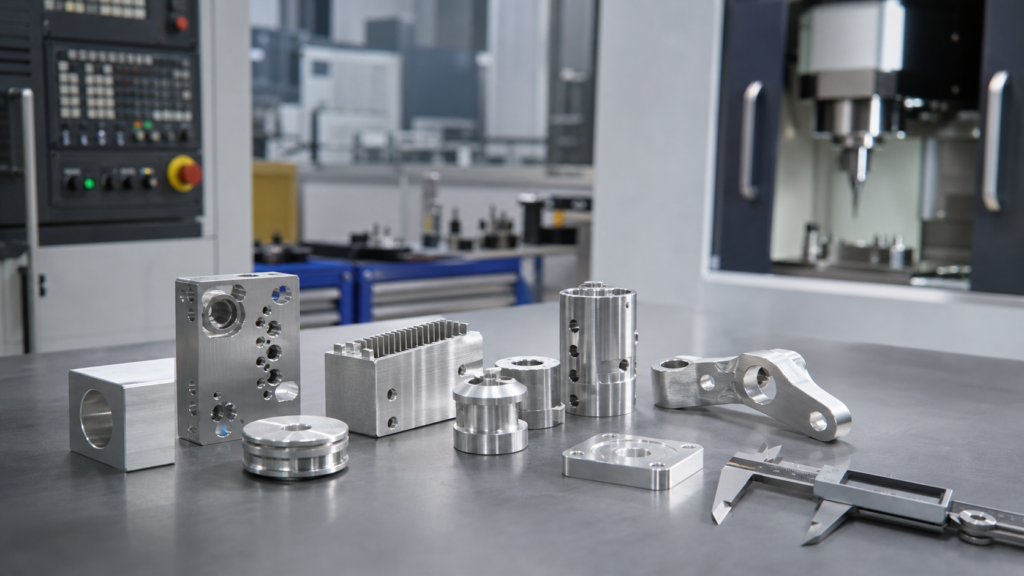
Modern manufacturing has come a long way but one thing has stayed consistent — the demand for dimensionally accurate custom parts. Precision machining refers to the process of removing material from a workpiece using computer-controlled equipment to achieve tight tolerances often within ±0.001 inches or better. Think aerospace brackets, medical implants, automotive transmission components or even consumer electronics housings. All of these rely on machined parts that simply cannot afford to be off by a hair.
Here is an interesting fact: the global precision machining market was valued at over $70 billion and continues growing steadily driven by industrial automation and miniaturization trends. That tells you something important — the need for reliable machining partners is only intensifying.
What Makes a Supplier Truly Affordable Without Cutting Corners?
Let’s be honest for a second. Cheap parts and affordable parts are two very different things. Cheap means compromising on material grade surface finish or dimensional consistency. Affordable means smart manufacturing — efficient toolpaths optimized setups experienced machinists and streamlined quoting processes that eliminate waste without touching quality.
The best precision machining parts supplier US achieves affordability through:
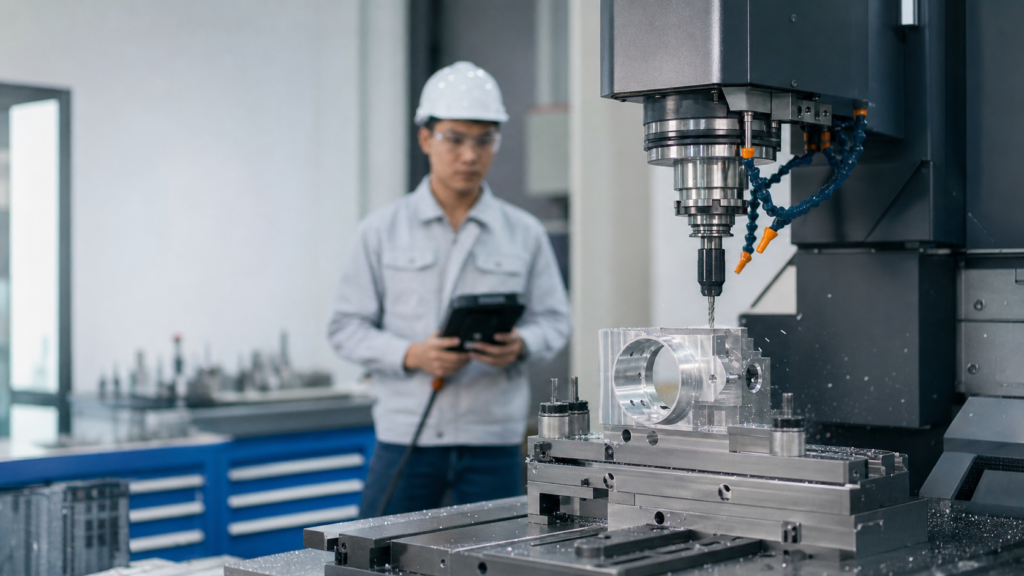
- Multi-axis CNC capabilities that reduce setups and labor hours per part
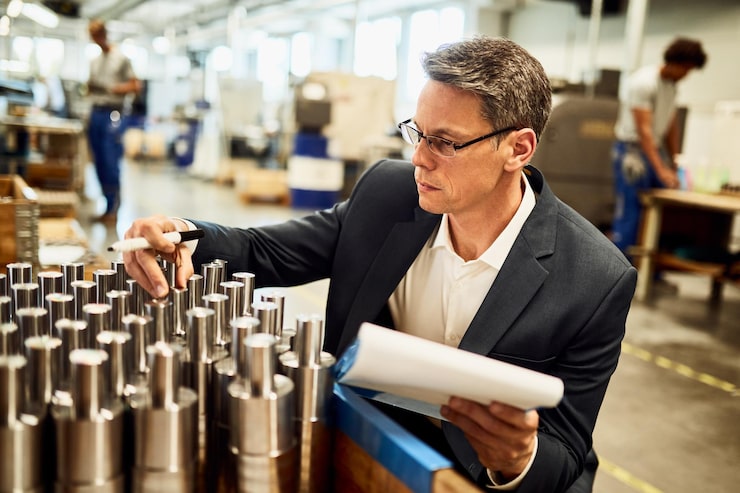
- In-house inspection using CMMs (Coordinate Measuring Machines) to catch errors early
- Material sourcing relationships that reduce raw material costs
- Scalable production whether you need 1 prototype or 10,000 production parts
So when evaluating a supplier the question to ask is not just “how much does it cost?” but “how does this supplier keep costs down while keeping tolerances tight?”
Custom Orders — Where Flexibility Meets Engineering Precision
Not every project fits a catalog. Custom orders are where experienced precision machining parts suppliers in the US genuinely separate themselves from the rest. Whether the requirement involves unusual geometries, complex threading, tight bore tolerances or specific surface treatments, a capable supplier treats every drawing as a new challenge worth solving — not a problem worth avoiding.
For example: a robotics startup might need titanium end effectors with internal cooling channels and a surface finish of Ra 0.4 µm. That is not something an offshore supplier halfway around the world can easily coordinate on short turnaround. A US-based machining partner brings communication speed rapid iteration and domestic quality standards to the table.
Turnaround time matters too. Domestic suppliers can often deliver prototypes within 5 to 10 business days — sometimes faster. Compare that to 4 to 6 weeks from overseas and the math starts looking different especially when development timelines are tight.
Materials Machined — More Than Just Aluminum
A full-service precision machining parts supplier US should handle a wide range of materials without hesitation. This includes:
- Metals: Aluminum alloys (6061 and 7075) stainless steel (303 and 316) titanium Inconel brass and copper
- Plastics: PEEK Delrin (Acetal) UHMW nylon and polycarbonate
- Exotics: Hastelloy Kovar and ceramic composites for specialized applications
Each material behaves differently under cutting forces and temperature. A machinist who truly understands the material is not just reading a chart — they are adjusting speed feeds, tooling geometry and coolant strategy in real time. That expertise is what you are really paying for.
Industries Served — From Defense to Medical Devices
The versatility of precision machining means a single supplier can serve wildly different sectors. Aerospace requires AS9100-certified quality management. Medical device manufacturing demands compliance with ISO 13485. Defense contracts bring their own documentation and traceability requirements.
The best US-based suppliers hold multiple certifications and have experience navigating these different regulatory environments. That cross-industry exposure also tends to sharpen problem-solving skills — a machinist who has built surgical instrument components understands tolerances and cleanliness at a level that benefits every customer regardless of sector.
Red Flags to Watch When Sourcing a Machining Partner
Knowing what NOT to look for is just as important. Watch out for suppliers who:
- Cannot provide material certifications or first article inspection reports
- Offer quotes without reviewing the full drawing package
- Have no in-house quality inspection equipment
- Are vague about lead times or production capacity
Transparency is the hallmark of a trustworthy precision machining parts supplier US. If a supplier hesitates to share quality data or explain their process that hesitation should give pause.
How to Get the Most Out of Your Custom Machining Order
A few practical tips that experienced buyers swear by:
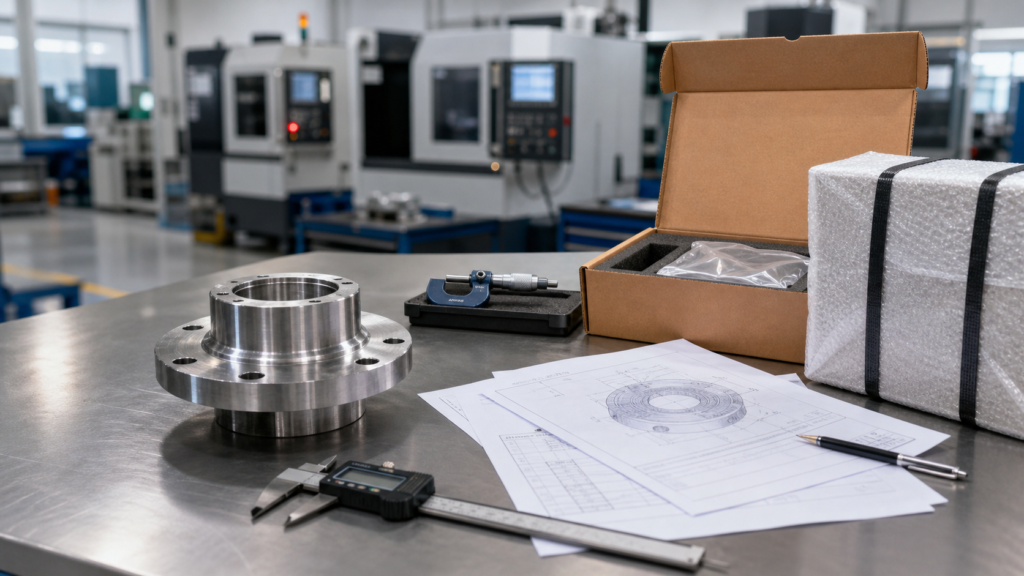
Upload complete drawing packages including GD&T callouts material specs and surface finish requirements upfront. The more information shared at the quoting stage the more accurate the quote and the faster production begins.
Discuss design for manufacturability (DFM) with the supplier early. Small geometry changes — like adding a slight radius to an internal corner — can significantly reduce machining time and cost without affecting part function.
Order in slightly larger quantities when possible. Setup costs are fixed so a run of 50 parts costs meaningfully less per unit than 10.
Looking for a Trusted Precision Machining Parts Supplier in the US?
If sourcing high-quality custom machined parts at competitive prices with reliable lead times is the priority one supplier worth exploring is TDB Machining Tech Tec offers custom precision machining solutions that align well with what this blog has been discussing — tight tolerances, diverse material capabilities and a customer-first approach to affordable custom orders. For anyone actively searching for a precision machining parts supplier US this is a resource worth bookmarking.
Frequently Asked Questions
Q1: What tolerances can a precision machining parts supplier in the US typically hold?
Most reputable US-based CNC machining suppliers can hold tolerances of ±0.001 inches (±0.025 mm) as a standard and tighter tolerances down to ±0.0002 inches for critical applications depending on material and geometry.
Q2: What is the minimum order quantity for custom precision machined parts?
Many US suppliers accommodate single-piece prototype orders. MOQ policies vary but a good supplier will offer pricing for low quantities even if the per-unit cost is higher compared to volume runs.
Q3: How long does it take to get a quote for custom machined parts?
Standard quoting turnaround for most suppliers is 24 to 72 hours provided a complete drawing package is submitted. Complex multi-feature parts may take slightly longer for accurate quoting.
Q4: Does using a US-based precision machining supplier really make a cost difference compared to offshore?
When factoring in shipping costs import duties lead time risk quality rework and communication delays domestic sourcing often proves more cost-effective than the sticker price comparison suggests — especially for prototype and low-to-mid volume orders.
Q5: What certifications should a quality precision machining parts supplier in the US hold?
Look for ISO 9001 as a baseline. For specific industries AS9100 (aerospace) ISO 13485 (medical) and ITAR registration (defense) are important indicators of a supplier’s capability and compliance maturity.