
Low-volume CNC machining projects require a different sourcing mindset from high-volume production. Buyers often need a small number of parts quickly, with enough engineering attention to manage tolerances, finish, and design changes. Hanoi, Vietnam can be a practical base for these projects when the supplier combines responsive communication with disciplined machining and inspection.
What counts as low-volume CNC machining?
Low volume can range from a single prototype to a few hundred pieces, depending on part complexity and the buyer’s program. These orders are common in product development, automation, test equipment, custom fixtures, industrial repair, and early market launches. The buyer’s priority is usually flexibility and confidence in the first parts—not only the lowest possible unit price.
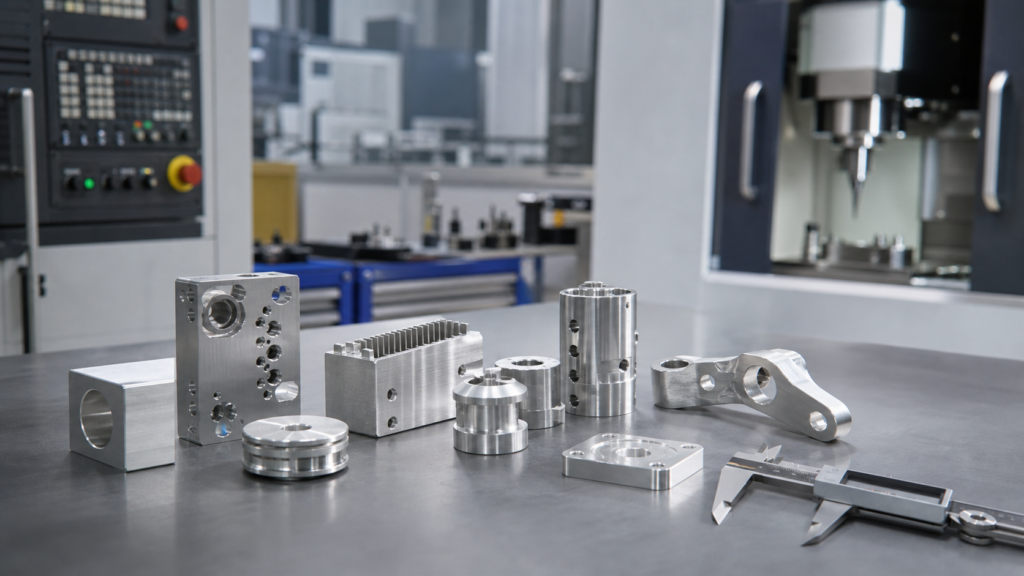
CNC machining is well suited to low volumes because it can produce parts directly from digital models without dedicated production tooling. It also supports a wide range of metals and engineering plastics, making it useful when a project needs material performance close to the intended final product.
Why Hanoi can work for small-batch buyers
Hanoi offers access to engineering talent, manufacturing services, and export logistics within Vietnam. For overseas buyers, this can make it a useful option when they need direct communication on a custom component and a supplier able to respond to evolving drawings. The value comes from a supplier’s workflow: careful review, realistic lead times, and documented quality checks.
Low-volume buyers should not assume that every shop is equally suited to prototypes. Ask how the supplier handles one-off setups, part changes, special materials, and inspection for critical dimensions. The best fit is a team that treats the order as an engineering project, not merely a small production run.
Design for manufacturability before you order
A short design review can reduce cost and lead time. Common areas to discuss include tight tolerances, deep pockets, thin walls, internal corners, thread depth, unsupported features, and finish requirements. Some dimensions may be critical, while others can allow a wider tolerance. Identifying the difference helps avoid unnecessary machining time.
Share the intended application and any mating parts where relevant. This does not mean disclosing more than necessary; it means giving the supplier enough functional context to identify avoidable risks. A good review should result in clear options, such as an alternative radius, stock material size, finish process, or inspection method.
Choose materials and finishes for the actual use case
Material selection affects cost, machinability, strength, weight, corrosion resistance, and surface appearance. Aluminum is often selected for lightweight precision parts, while stainless steel may be chosen for corrosion resistance or durability. Brass, copper, carbon steels, and engineering plastics each have their own advantages. Specify the grade when it matters to function.
Finishes should also be defined early. Anodizing, bead blasting, polishing, painting, passivation, plating, or protective oil may change lead time and cost. For cosmetic parts, share an agreed visual standard or reference sample. For functional parts, define what the finish must achieve rather than relying only on a general name.
Set quality expectations that match the risk
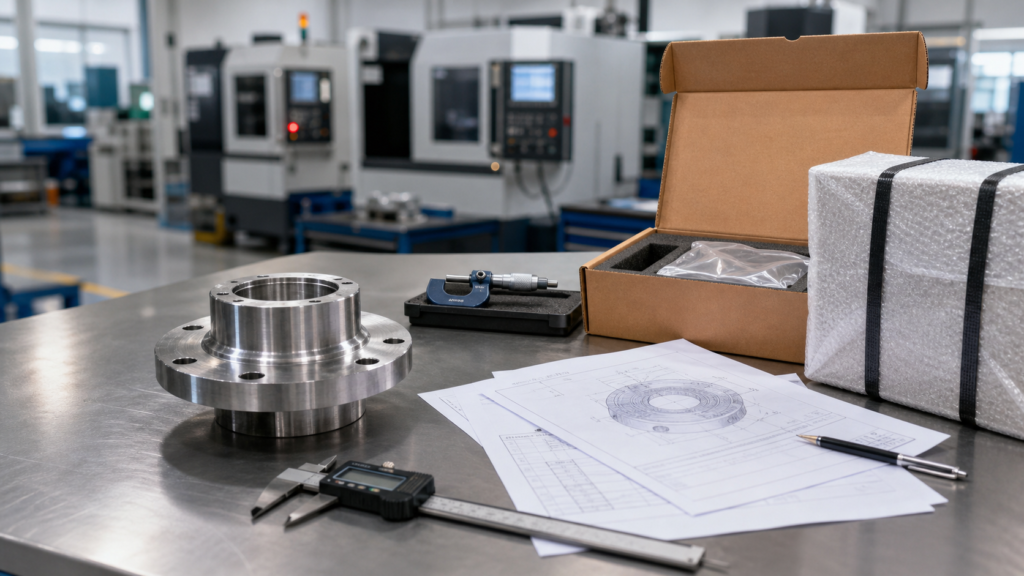
For low-volume orders, the inspection plan should focus on the features that matter most. Provide a drawing with clearly identified critical dimensions and ask how those features will be measured. A simple first-article report or dimensional record can provide useful confidence before the full batch is packed.
Discuss traceability, material evidence, labeling, and packaging when required by your industry or customer. For prototype parts, photographs of the finished components and packaging can be helpful before shipment. The goal is to reduce surprises at receiving, especially when replacement time is limited.
Manage lead time realistically
Total lead time includes engineering review, material procurement, machining, finishing, inspection, packaging, and freight. A small quantity does not always mean an immediate delivery because specialty material or external finishing may drive the schedule. Ask the supplier to separate these stages and identify the earliest point at which a potential delay can be communicated.
When speed is critical, consider ordering a limited pilot quantity first or selecting a material and finish that are more readily available. These decisions should be made with the part’s function and project risk in mind.
From a first batch to repeat orders
Once the first order is accepted, preserve the approved drawing revision, quality notes, material, finish, and packaging requirements. This creates a reliable baseline for repeat purchases and makes future quotations faster. Review the first order together: were dimensions, communication, documentation, and delivery aligned with expectations?
TDB Machining can support low-volume CNC machining inquiries in Hanoi, Vietnam. Share the drawing package, material, quantity, target delivery date, and inspection needs to begin a focused technical review.
FAQ
Is CNC machining economical for prototypes?
It can be, particularly when the part needs production-grade material, tight tolerances, or a quick design iteration without dedicated tooling.
How can I lower the cost of a small CNC batch?
Use clear drawings, avoid unnecessarily tight tolerances, choose available materials where possible, and combine compatible parts or quantities when the project allows.
What should I check when the parts arrive?
Verify part count, material and finish, critical dimensions, visual condition, required documentation, and packaging condition against the purchase order and approved drawings.