

For procurement teams in the United States and Europe, choosing a CNC machining supplier is not only about unit price. It is about receiving parts that match the drawing, arrive with clear documentation, and can move through a predictable communication and shipping process. Hanoi, Vietnam is becoming a practical location for buyers who need custom machined components, especially for prototype, low-volume, and repeat production programs.
Why consider CNC machining in Hanoi, Vietnam?
Hanoi combines a growing engineering workforce with access to Vietnam’s manufacturing supply chain. For international buyers, this can create a useful sourcing option when a project needs flexibility, responsive engineering discussion, and competitive total cost. The right partner should be evaluated on manufacturing capability and process control—not simply location.
CNC machining is suitable for precision parts made from aluminum, stainless steel, carbon steel, brass, copper, and engineering plastics. Typical applications include automation equipment, industrial fixtures, electronics enclosures, medical-device components, energy equipment, and custom replacement parts.
Start with a complete RFQ package
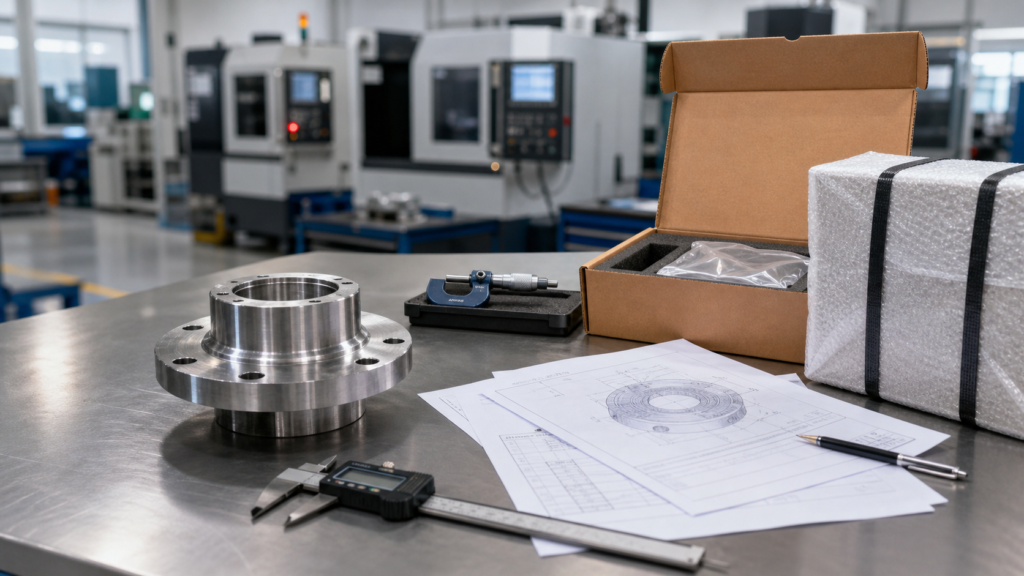
A well-prepared request for quotation reduces uncertainty at every stage. Send a current 2D drawing with dimensions and tolerances, a 3D CAD file when available, material and surface-finish requirements, quantity breaks, and the intended application. Call out critical-to-function dimensions, threads, cosmetic surfaces, and any inspection requirements.
International buyers should also state the preferred Incoterm, destination, target delivery date, and required documentation. Clear inputs help the supplier identify manufacturability issues before production begins and make the quotation easier to compare fairly.
How to evaluate a Hanoi CNC machining supplier
Ask practical questions about the supplier’s workflow. Can the team review drawings before quoting? Which machine types and inspection tools are used for the part geometry? How are material certificates, first-article checks, and final inspection records handled? A reliable supplier can explain its process in clear terms and identify questions early.
It is also useful to review examples that are similar in material, tolerance range, and production volume. Capability is more meaningful when it relates to the specific part you need. For a new supplier relationship, beginning with samples or a pilot order is a sensible way to validate communication, quality, packaging, and lead time.
Quality planning matters more than promises
Quality should be built into the production plan. Before machining starts, confirm the drawing revision, material grade, datum scheme, inspection method, and acceptance criteria. During production, agree how nonconforming parts will be identified and reported. For critical features, request measured results against the drawing rather than relying only on a general statement of inspection.
For projects serving US and EU markets, buyers may also need traceability, material documentation, RoHS-related information where applicable, or customer-specific reporting. These requirements should be discussed during quotation, not after shipment.
Communication across distance and time zones
Good communication keeps an overseas machining project moving. Use a single version-controlled drawing package, list open questions in writing, and confirm changes before they enter production. A simple approval flow—RFQ, engineering review, quotation, purchase order, first article, production, final inspection, shipment—helps both sides understand the next action.
English-language communication, responsive technical feedback, and photos or inspection reports at agreed milestones can make remote sourcing much easier to manage. The most effective supplier is one that turns questions into documented decisions.
Shipping and total landed cost
Compare more than the machining price. Total landed cost can include material, finishing, inspection, packaging, freight, insurance, duties, and the cost of schedule risk. The best shipping method depends on part value, weight, urgency, and the buyer’s import process. Strong protective packaging is especially important for precision surfaces and mixed-part shipments.
Practical next step
For a CNC machining project in Hanoi, Vietnam, begin with a focused RFQ and evaluate the response for technical clarity as well as price. TDB Machining can review drawings, quantities, materials, tolerances, and shipping requirements to help international buyers plan a practical sourcing route.
Frequently asked questions
What files should I send for a CNC machining quotation?
Send a 2D PDF drawing, a 3D STEP or similar CAD file, material and finish specifications, quantities, tolerances, and any inspection or packaging requirements.
Can a supplier support prototype and low-volume orders?
Many CNC projects begin with prototypes or low volumes. Confirm the supplier’s minimum order expectations, setup approach, and expected lead time for your particular geometry.
How can I reduce risk when sourcing from overseas?
Use complete drawings, approve key questions in writing, request inspection information for critical features, and start with a pilot order when the project allows.