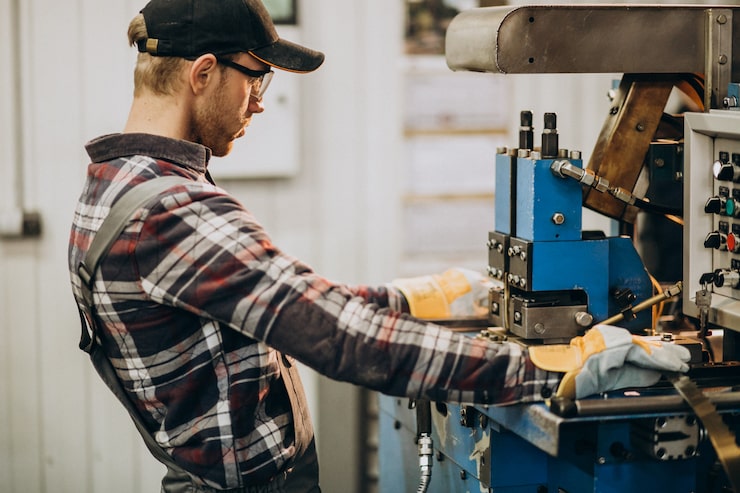

So you have a product idea sitting in your head — maybe a precision aerospace bracket or a custom medical device component — and you need it manufactured to exact tolerances. Where do you turn? That is exactly where cnc manufacturing services in the US step in and completely change the game.
What Makes CNC Manufacturing So Relevant Right Now?
CNC stands for Computer Numerical Control — a process where pre-programmed software dictates the movement of machinery to cut, drill, mill or turn raw material into finished parts. The US manufacturing sector has embraced this technology at a remarkable pace. In fact the American CNC machine tools market was valued at over $2.3 billion in 2023 and continues to grow steadily year over year.
The real question is: why is everyone talking about it? Because precision is no longer optional. Industries like aerospace defense, automotive and medical devices demand tolerances as tight as ±0.001 inches — something that is simply not achievable through manual machining at scale.
The Core Benefits That Actually Matter
When businesses invest in cnc manufacturing services in the US they are not just buying machine time. They are buying reliability, repeatability and speed all wrapped into one.
Unmatched Precision and Consistency — A CNC machine does not get tired at 2 AM. It produces part number 500 with the same accuracy as part number one. That kind of consistency is invaluable for industries where a minor deviation can cost lives or millions of dollars.
Faster Turnaround Without Sacrificing Quality — Traditional machining requires skilled operators to manually guide cuts. CNC automation slashes lead times dramatically. A part that once took days to prototype can now be ready within hours.
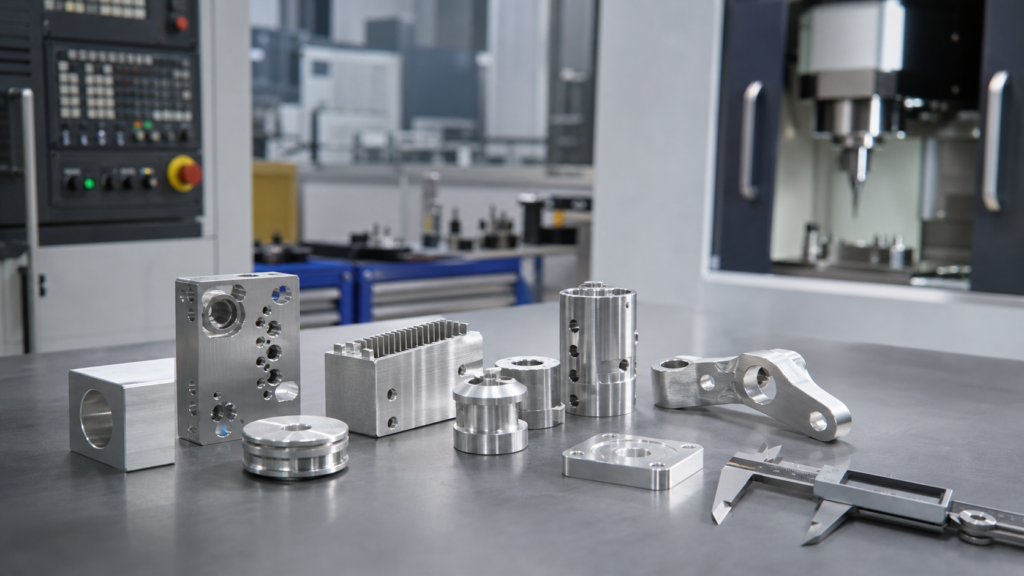
Versatility Across Materials — Aluminum titanium stainless steel ABS plastic carbon fiber — CNC machines handle them all. This makes them indispensable across wildly different industries from motorsport to surgical instruments.
Reduced Human Error and Waste — The software-driven approach eliminates most operator-induced errors. Less scrap material means lower costs and a more sustainable production process overall.
Breaking Down the CNC Manufacturing Process
Understanding the workflow helps buyers appreciate exactly what they are paying for. Here is how it typically unfolds:
- Design & CAD Modeling — Engineers create a detailed 3D model using software like SolidWorks or AutoCAD.
- CAM Programming — The model is converted into G-code — the language CNC machines actually read and execute.
- Material Selection & Setup — The right stock material is chosen and mounted onto the machine bed or chuck.
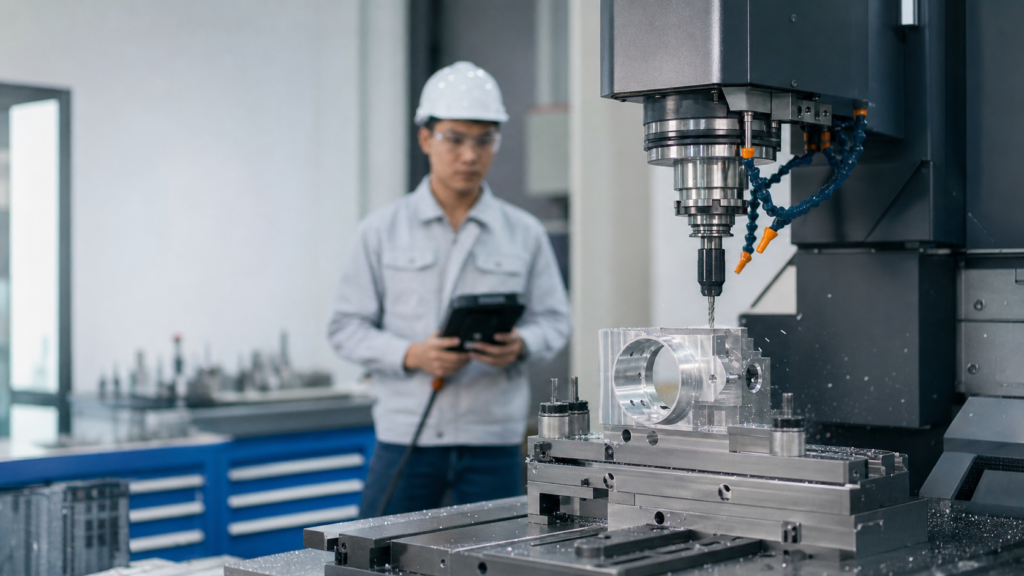
- Machining — Cutting milling drilling or turning operations execute precisely as programmed.
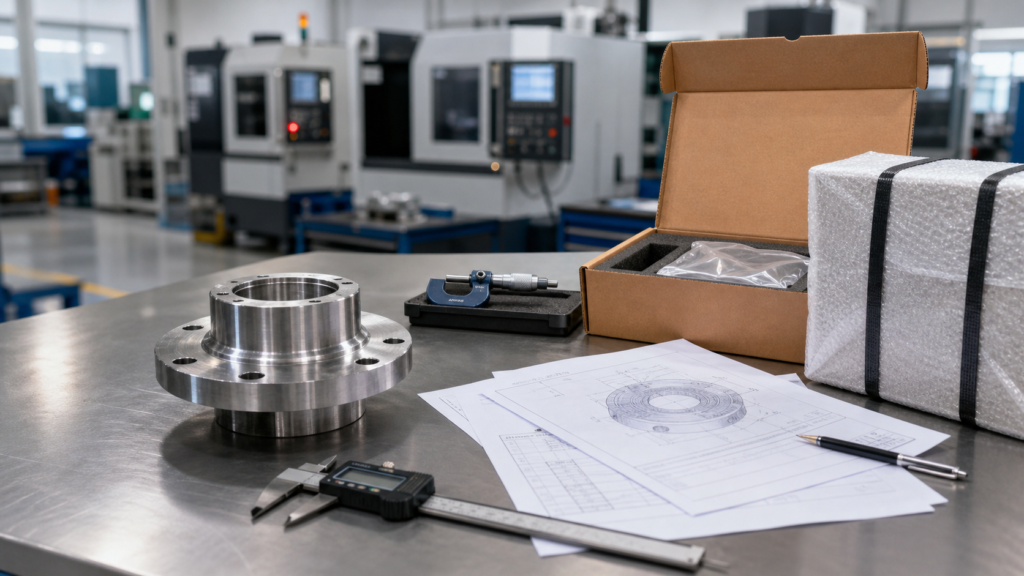
- Quality Inspection — Parts go through dimensional verification using CMMs (Coordinate Measuring Machines) or optical comparators.
- Finishing & Delivery — Surface treatments like anodizing powder coating or passivation are applied before shipment.
What Does It Actually Cost?
Pricing for cnc manufacturing services in the US depends on several factors — part complexity material type machining time and order volume being the primary ones. Hourly CNC machining rates in the US typically range between $75 and $200 depending on machine type and shop overhead.
Here is a rough benchmark: a simple aluminum bracket might cost $40 to $80 per piece at low volumes while a complex titanium aerospace component could run $300 or more per part. Prototyping runs are naturally more expensive per unit than bulk production orders due to setup and programming amortization.
One thing worth noting — domestic sourcing often proves more cost-effective than offshore manufacturing once you factor in shipping delays, import duties, quality rework and intellectual property risks. Many businesses learned this lesson the hard way during global supply chain disruptions in recent years.
Industries Thriving on US CNC Manufacturing
Who actually relies on these services day to day? The list is broader than most people expect. Aerospace and defense firms depend on CNC for flight-critical components. Medical device manufacturers need it for surgical tools and implant components. The automotive sector uses CNC for engine parts transmission housings and custom performance components. Even consumer electronics companies leverage precision machining for enclosures and heat sinks.
A particularly interesting example: SpaceX relies heavily on CNC machining for producing rocket engine components at its US facilities — a testament to the precision levels this technology delivers.
How to Choose the Right CNC Partner in the US
Not every machine shop is created equal. When evaluating cnc manufacturing services in the US look for these qualities: ISO 9001 or AS9100 certification proven experience in your specific industry multi-axis machining capabilities (3-axis 4-axis or 5-axis) and transparent communication throughout the project lifecycle.
Ask the right questions upfront — Can they handle your material? What are their lead times for your volume? Do they provide first article inspection reports? A reliable partner answers all of these without hesitation.
Ready to Source Precision Parts in the US?
If you are actively searching for trusted CNC manufacturing services in the US look no further than TDB Machining Tech — a professional CNC manufacturing partner delivering precision-engineered components across industries. Whether you need rapid prototypes or full production runs TDB Tec brings the technical expertise and equipment capacity to bring your designs to life with zero compromise on quality.
Frequently Asked Questions
Q1: What is the minimum order quantity for CNC manufacturing services in the US?
Most US CNC shops accommodate single-piece prototypes all the way up to large production runs. MOQ depends on the shop but many offer no minimum for prototype work.
Q2: How long does a typical CNC machining project take?
Simple parts can be ready in 1 to 3 business days for prototypes. Production orders typically range from 1 to 4 weeks depending on complexity and volume.
Q3: Is CNC machining in the US more expensive than overseas options?
The per-part price may appear higher initially but domestic sourcing eliminates hidden costs like freight duties, longer lead times and quality risks — often making it more economical overall.
Q4: What file formats do CNC manufacturers typically accept?
Most accept STEP IGES STL SolidWorks and AutoCAD file formats. STEP files are widely preferred for their compatibility across different CAM software platforms.
Q5: Can CNC machines work with plastics as well as metals?
Absolutely. CNC machining handles a wide variety of materials including aluminum steel, titanium brass and engineering plastics like PEEK Delrin and nylon.