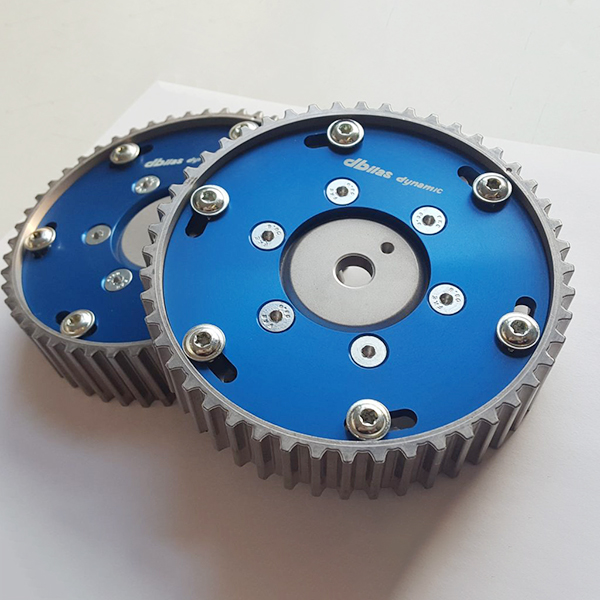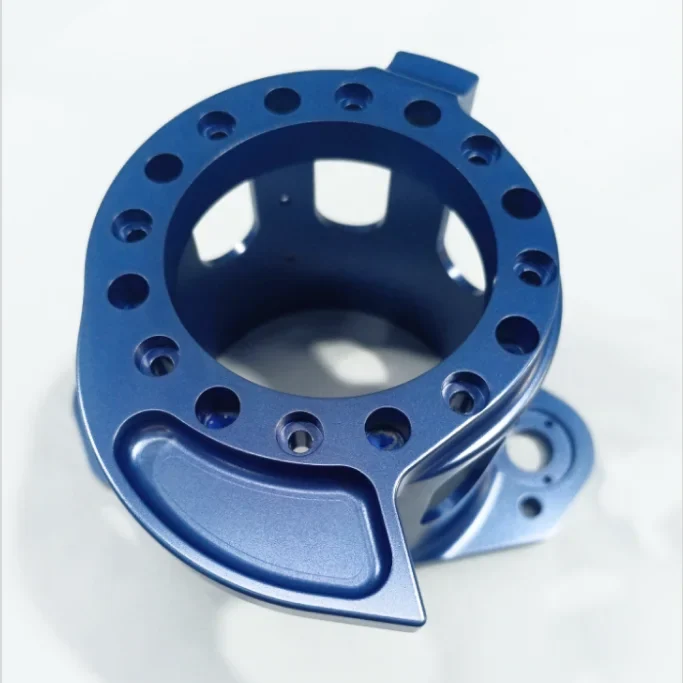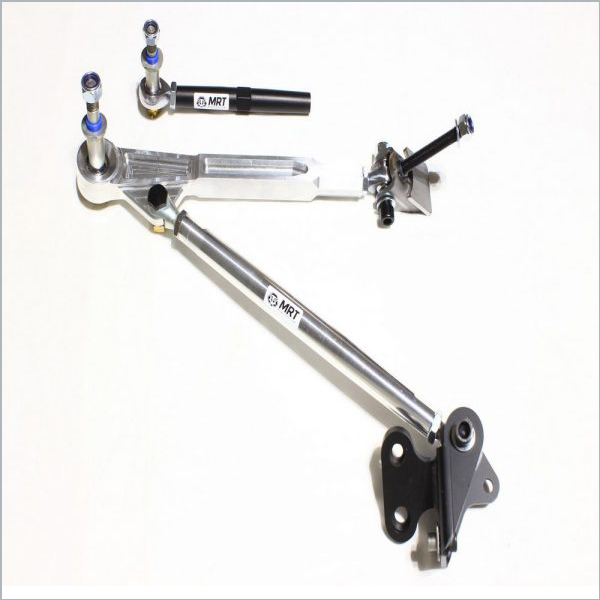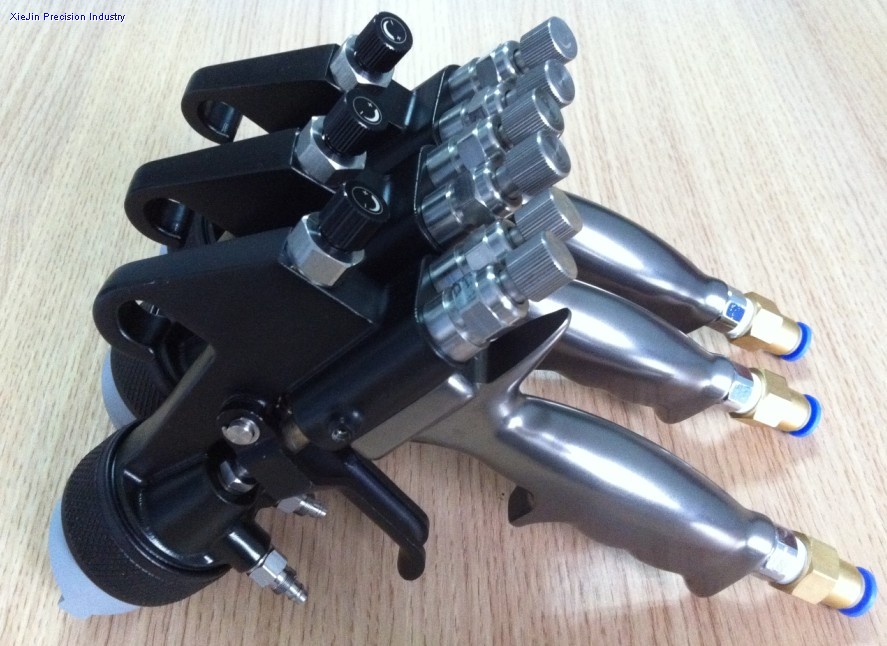
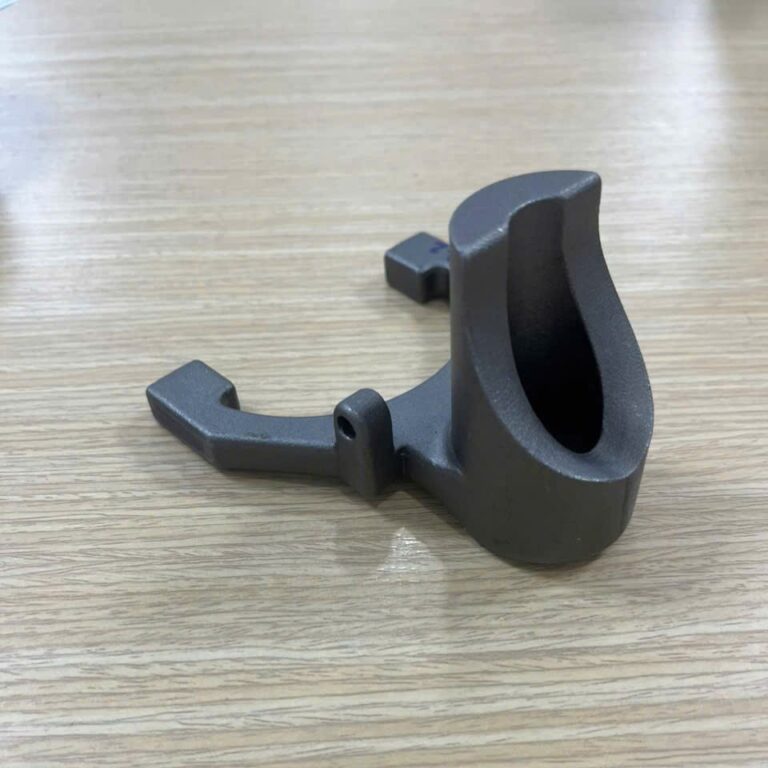
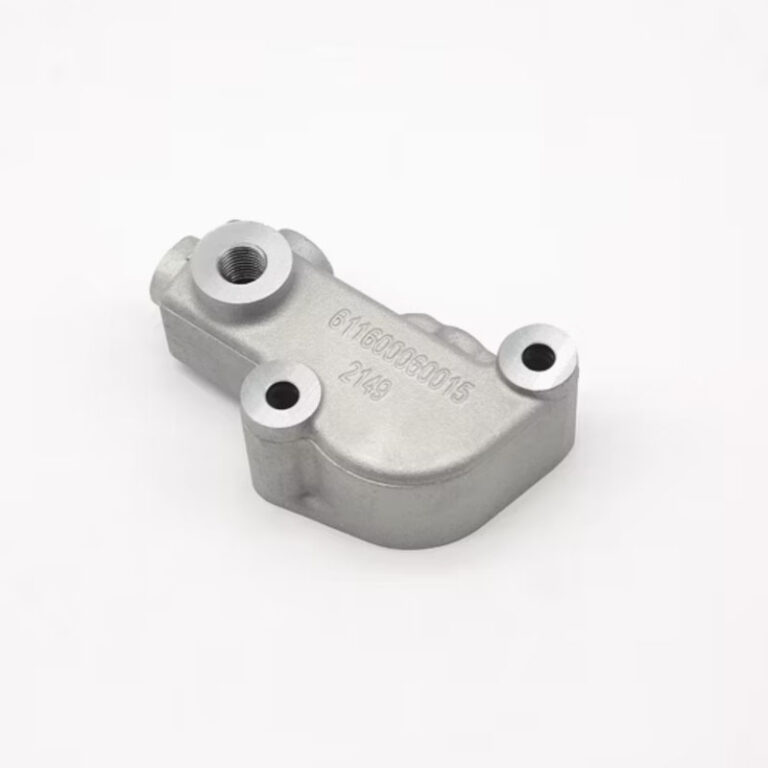
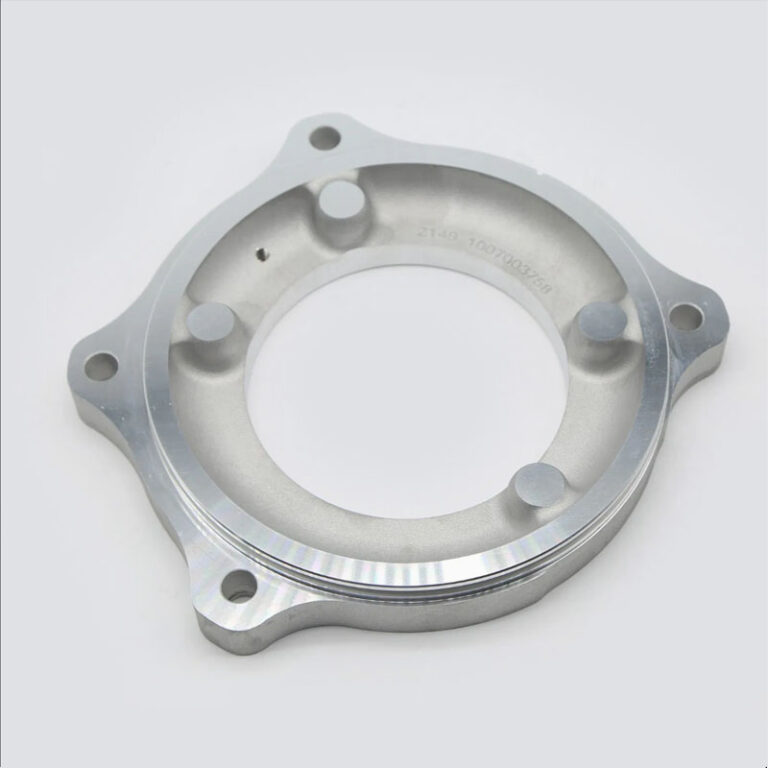
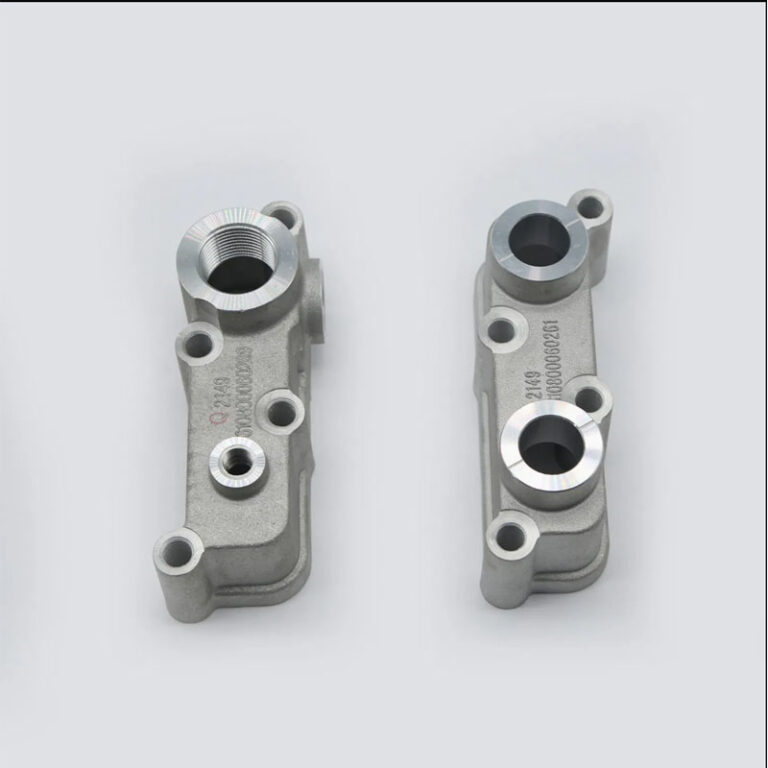
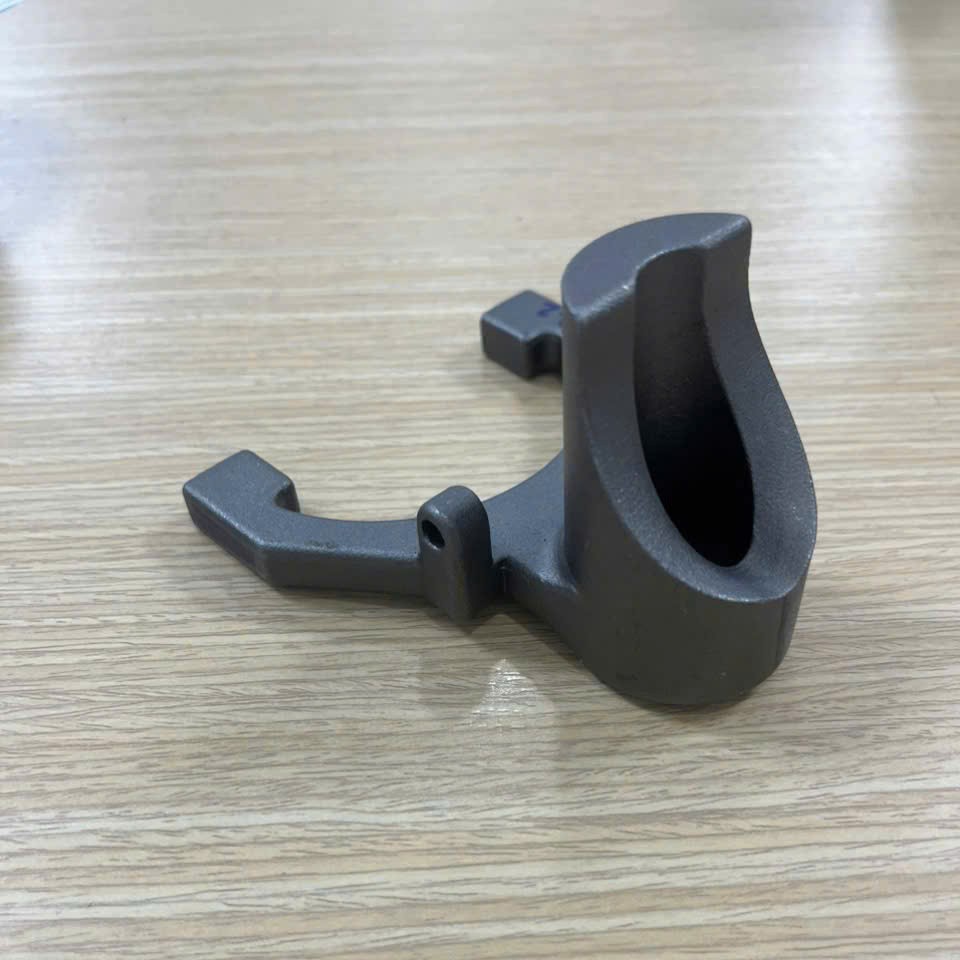
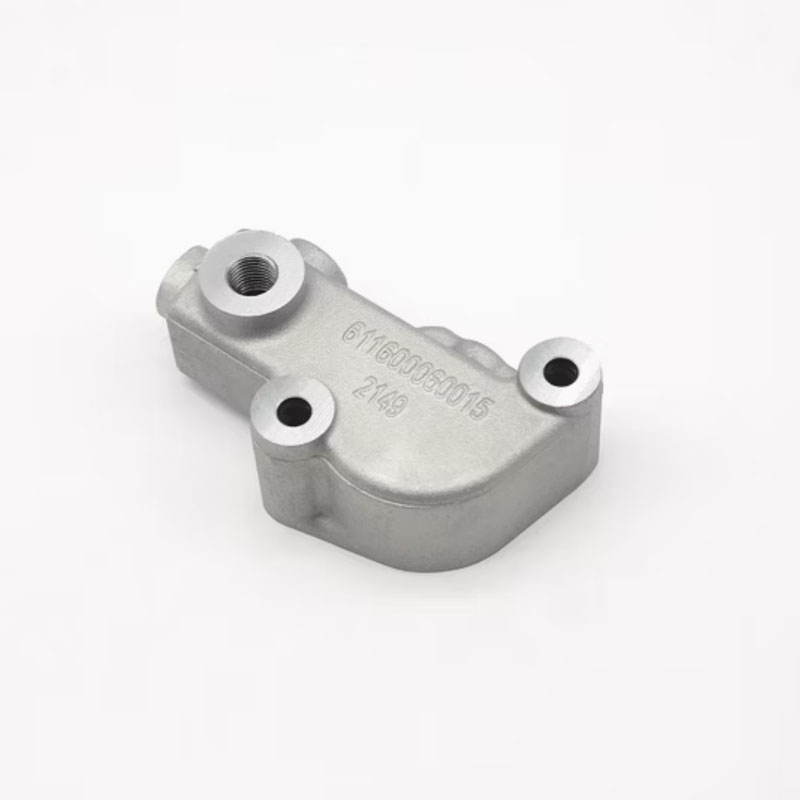
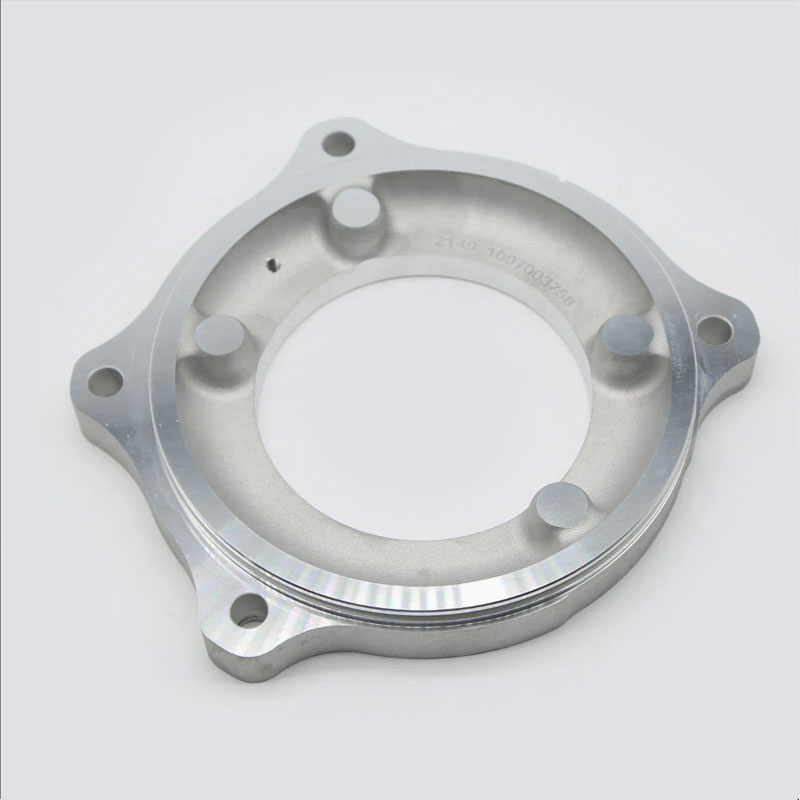
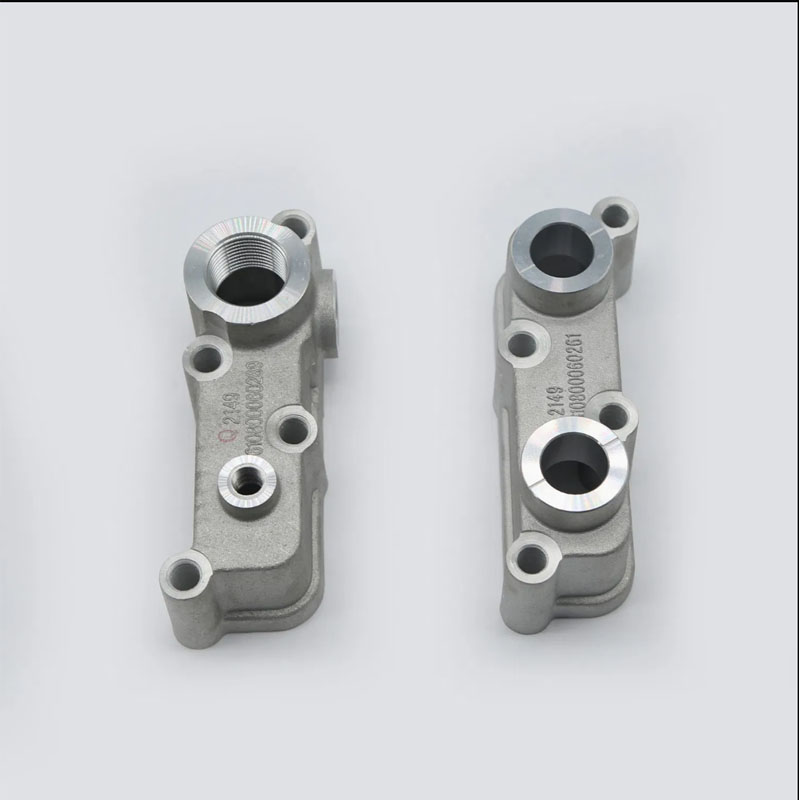
An automotive customer from Mexico approached First Mold to manufacture a series of engine valve covers.
Requirements For Engine Valve Covers Manufacturing
- Material: Lightweight yet strong aluminum alloy (AlSi10Mg) to reduce vehicle weight and improve fuel efficiency.
- Surface Finish: A smooth, corrosion-resistant surface with a tolerance of ±0.1mm.
- Production Volume: 50,000 units per year.
- Cost Efficiency: Competitive pricing while maintaining high quality.
Engine Valve Covers Manufacturing Process
Design Review and Tooling Development
Upon receiving the design from this customer, First Mold’s engineering team conducted a thorough design review to ensure manufacturability. The team identified potential issues such as thin wall sections and complex geometries, which could lead to casting defects. A customized die was designed, incorporating features like optimized gating and venting systems to enhance material flow and reduce porosity.
Die Casting Process
- Die Preparation: The mold was preheated to 200°C to prevent thermal shock and ensure uniform material flow.
- Casting: Molten aluminum alloy was injected into the mold cavity at a pressure of 1,500 bar
- Cooling and Ejection: The part was cooled and solidified within 30 seconds, followed by automatic ejection from the die.
Finishing and Quality Control
After casting, the valve covers underwent a series of finishing processes, including trimming, shot blasting, and machining. A high-quality powder coating was applied to enhance corrosion resistance and aesthetics.
First Mold employed rigorous quality control measures, including dimensional inspection using coordinate measuring machines (CMM) and X-ray inspection to detect internal defects.
Challenges and Solutions In Engine Valve Cover Manufacturing
Porosity Issues
Issue: During the initial production phase, some valve covers exhibited porosity, a common die-casting defect characterized by the presence of small voids or gas pockets within the metal. This defect compromised the structural integrity of the parts.
Solution: The engineering team implemented a vacuum-assisted die-casting technique, which significantly reduced air entrapment and ensured a dense, defect-free casting.
Warpage
Issue: The complex design led to minor warping during cooling, affecting the part’s flatness. Warpage is a common issue in die casting, caused by uneven cooling rates or stresses within the material.
Solution: By optimizing the cooling rate and redesigning the cooling channels within the die, First Mold achieved uniform cooling, minimizing warpage and ensuring dimensional accuracy.
Results
First Mold successfully manufactured 9000 units of high-quality engine valve covers for this customer, we received high praise from them.