
Spraying

What's Spraying?
Spraying is an extremely common surface treatment process for parts. It mainly involves using a spray gun or a disc atomizer, utilizing pressure or centrifugal force to disperse the coating into uniform and fine droplets, which are then applied to the surface of the object being coated. The spraying surface treatment process is suitable for different materials such as metal and plastic.
Spraying is a general term for a surface treatment process. It further subdivides into various types.
Spray Coating Cases
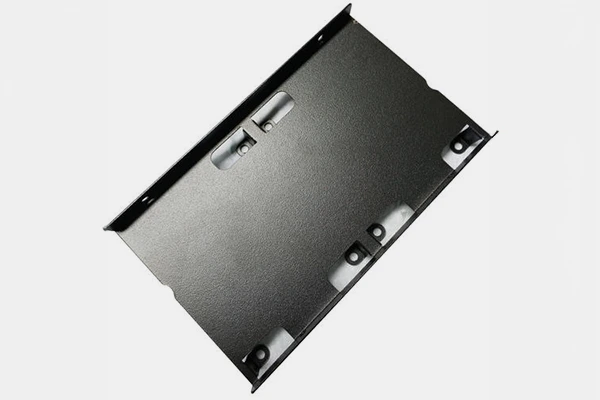
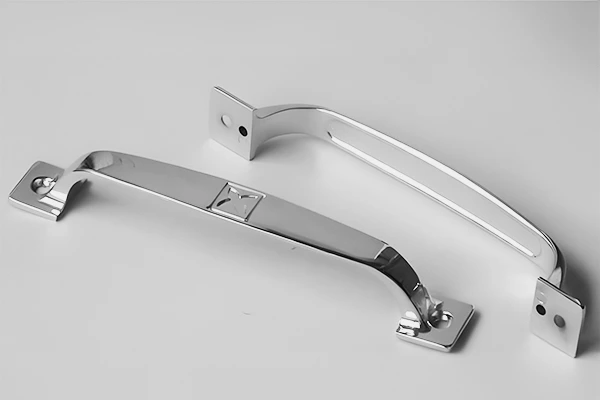
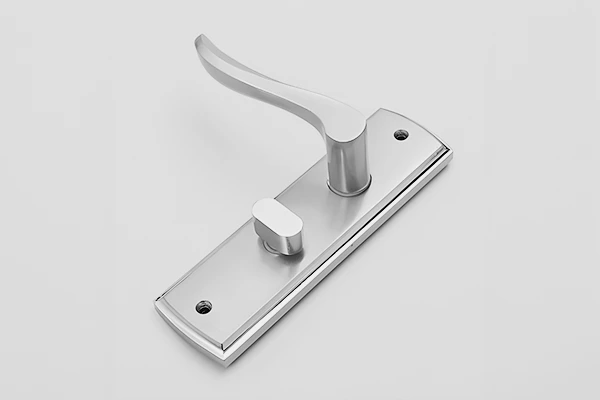

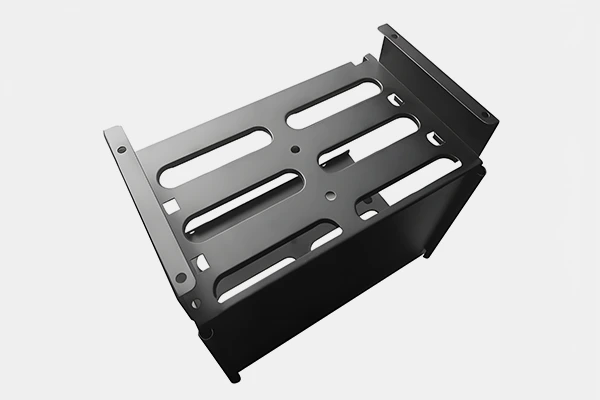
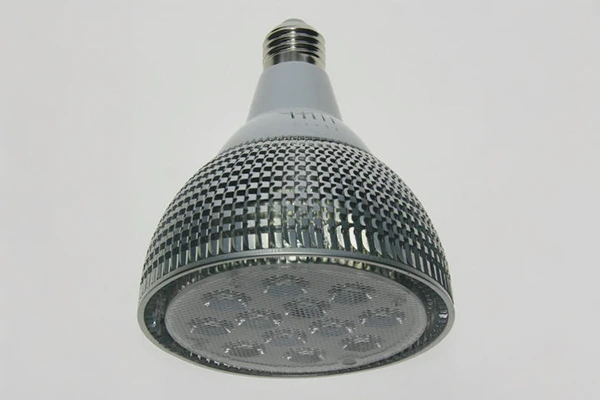

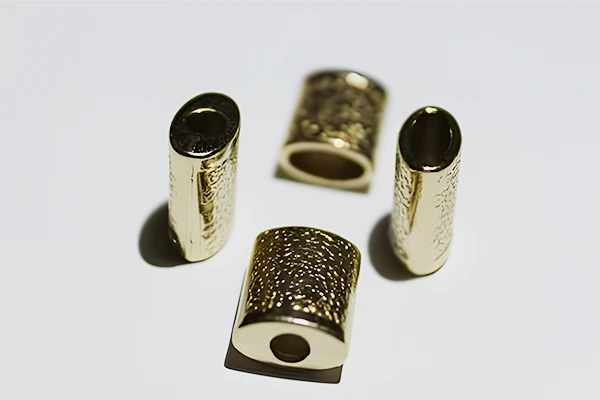
Affected by the thickness of Spraying
Color Quality
Abrasion Resistance
Structural Impact
Cost Efficiency
An overly thick coating increases the amount of paint used, thus raising costs. Additionally, a thicker coating can affect spraying time, indirectly increasing production costs.
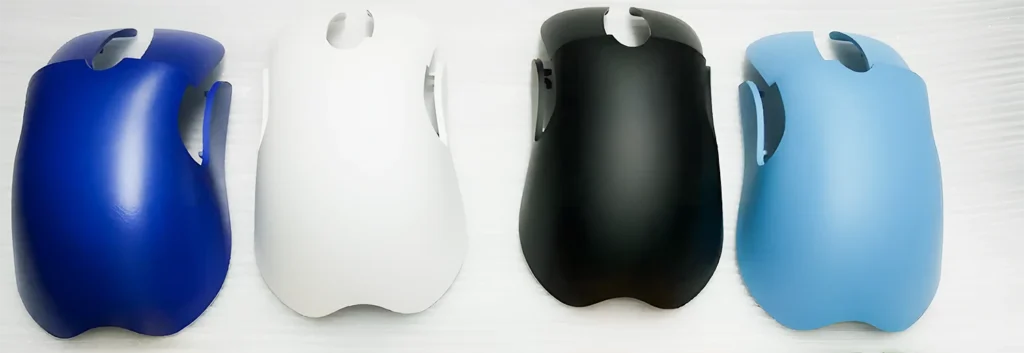
Reference for Inspection Standards of Spray-coated Parts
| Test Item | Inspection Standard |
|---|---|
| Appearance | Color must match the color card and be glossy (within sample limits).
No scratches or fingerprints.
No uneven color, dirt, particles, or uneven spraying.
No rust.
Cut edges must not have sharp burrs or edges. |
| Salt Spray Test | No bubbles or rust should occur. 5% saltwater at 35°C, continuous spray time as per customer requirements. |
| Coating Hardness | Pencil hardness should be above H, with no damage or scratches on the paint surface. Sharpen the pencil tip to a right angle and, applying a force of 1KG, draw an 8CM straight line on the paint surface at a 45-degree angle. |
| Cross-cut Test | No more than 5% paint should peel off the tested surface. |
| Paint Compliance | The paint used must be accompanied by a corresponding report and comply with ROHS regulations. |
Spraying FAQs
What should I do if I'm not sure which type of surface treatment my product needs?
If you’re unsure about the type of surface treatment needed for your product, you can provide our sales representative with a picture of a similar surface treatment. We will be happy to assist you and provide the necessary guidance.