
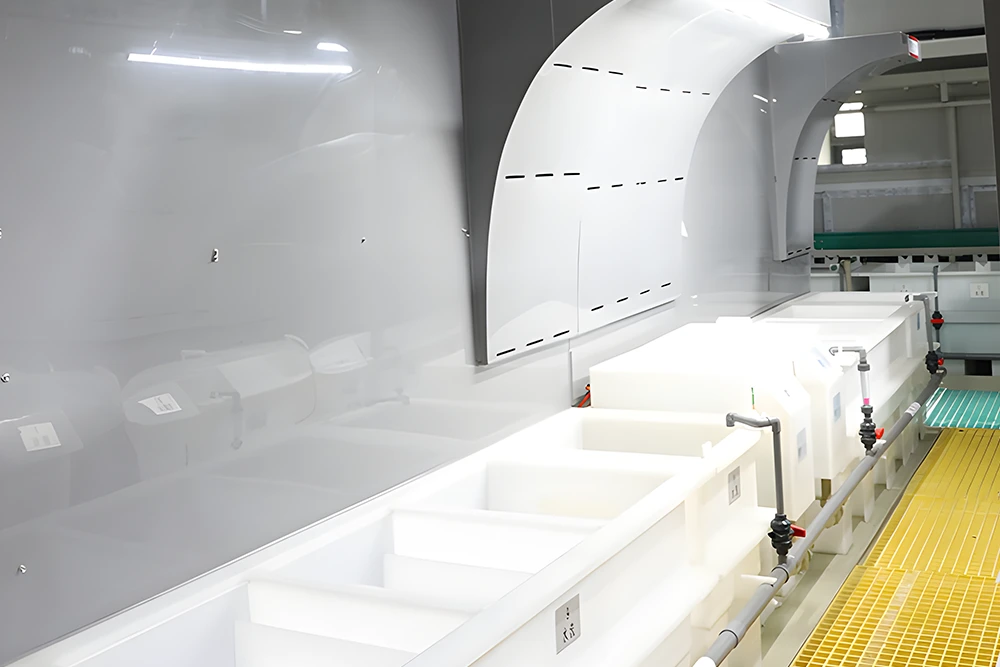
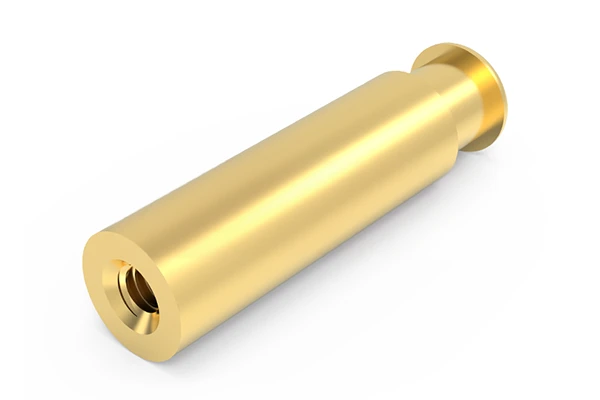
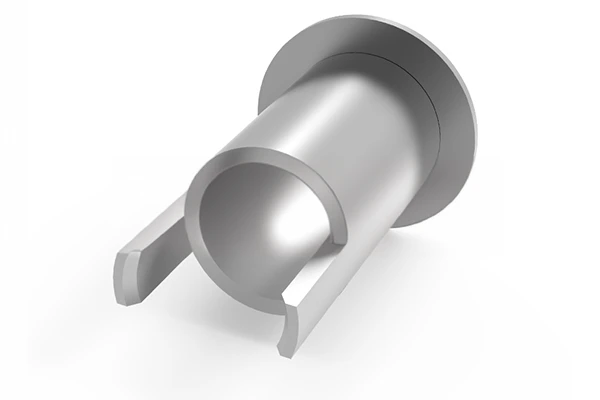
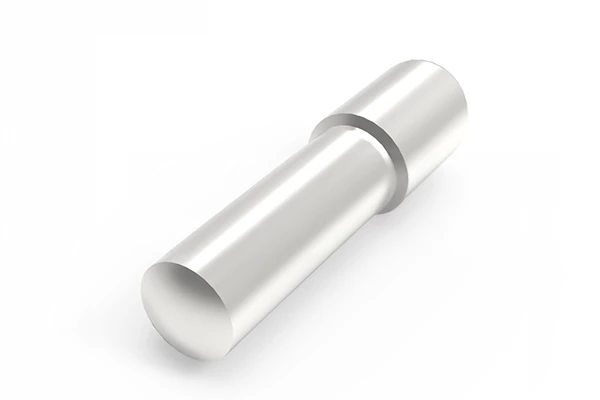
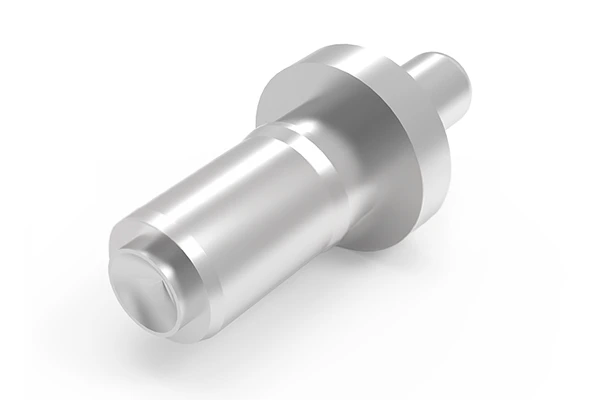
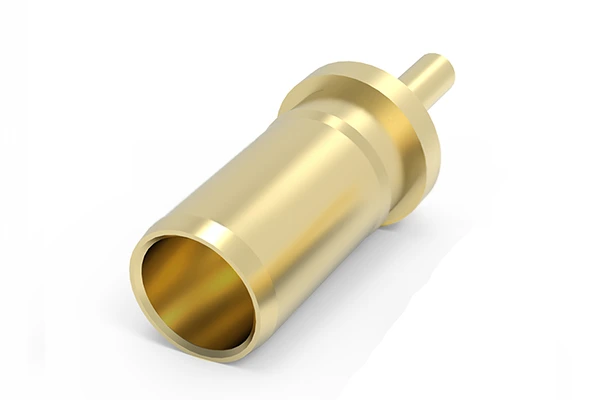
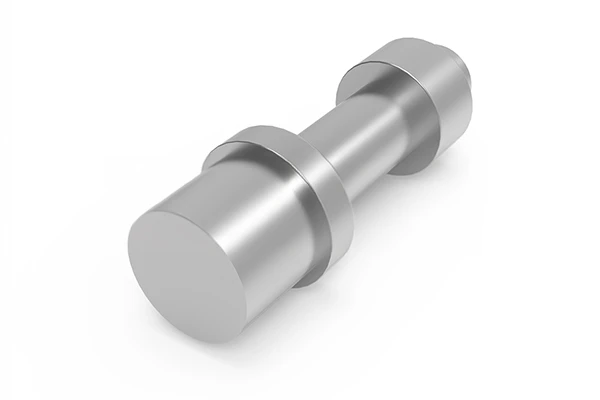
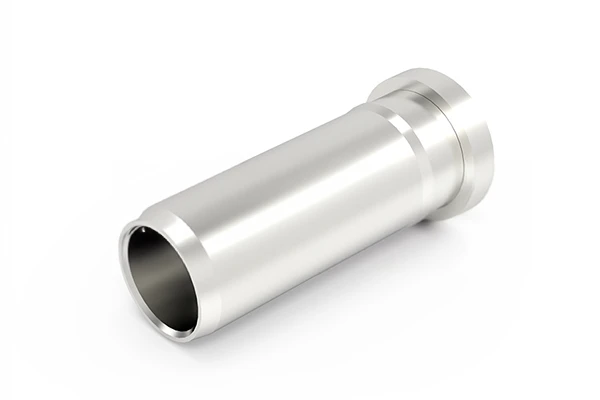
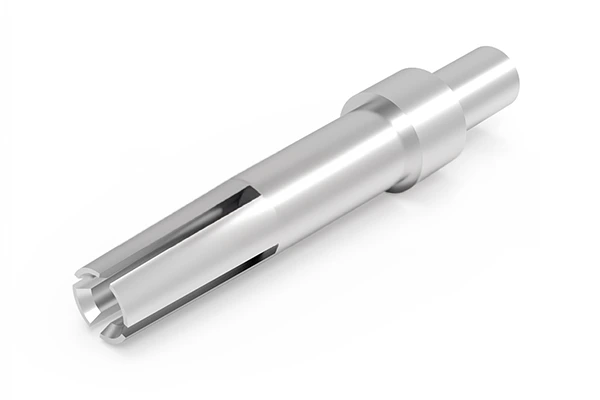
Electroplating is one of the most common surface treatment processes for parts, applicable to both metals and plastics. Electroplating involves placing the metal to be plated as the cathode in a solution containing the desired plating metal, with the plating metal or another inert conductor as the anode. Through electrolysis under direct current, a firmly bonded metal film is formed on the surface of the substrate.
The purpose of electroplating is to enhance the appearance of the material while imparting various physical and chemical properties to the surface, such as corrosion resistance, decorative quality, wear resistance, solderability, and electrical, magnetic, and optical properties.
| Electroplating Type | Price | Electroplating Type | Price | Electroplating Type | Price |
|---|---|---|---|---|---|
| Zinc Plating | $ | Gold Plating | $$$ | Silver-Tungsten Plating | $$$ |
| Copper Plating | $ | Silver Plating | $$$ | Ternary Alloy Plating | $$ |
| Chrome Plating | $$ | Platinum Plating | $$$ | Electroless Nickel Plating | $$ |
| Nickel Plating | $ | Palladium-Nickel Plating | $$$ | ||
| Nickel-Tungsten Plating | $$ |
The coating is thin (3-15μm), with a specified thickness tolerance of ±10%.
The surface coating is consistent in every corner of the product, with high precision
The coating has good adhesion and does not peel off.
The coating has good adhesion and does not peel off.
FirstMold’s electroplating supplier has been working with us for over ten years and has been tested by hundreds of our customers. You don’t have to worry about any quality issues related to electroplating. We have extensive experience in electroplating rapid prototypes, injection-molded parts, and more.
Plastic materials should ideally be electroplating-grade ABS
The surface of plastic parts must be free of defects.
The surface of plastic parts should preferably not have sharp edges.
The structural strength of plastic parts should be good to prevent deformation.
The depth of the blind holes should not exceed half the diameter to avoid poor electroplating at the bottom
The product design should include a reliable fixing structure to correct deformation defects after plating.
We use cookies to improve your experience on our site. By using our site, you consent to cookies.
Manage your cookie preferences below:
Essential cookies enable basic functions and are necessary for the proper function of the website.
These cookies are needed for adding comments on this website.
These cookies are used for managing login functionality on this website.
Statistics cookies collect information anonymously. This information helps us understand how visitors use our website.
Google Analytics is a powerful tool that tracks and analyzes website traffic for informed marketing decisions.
Service URL: policies.google.com (opens in a new window)