
Mold Making Service
Integration of mold making, design, processing, inspection and maintenance. Precision mold making service for diverse industries worldwide.
- 12+ years in mold manufacturing (injection mold & die-casting mold).
- Expert in complex mold design, with delivery as fast as 7 days.
- Competitive pricing with top-quality assurance.
What Types of Mold Manufacturing Services Does TDB Tech Offer?
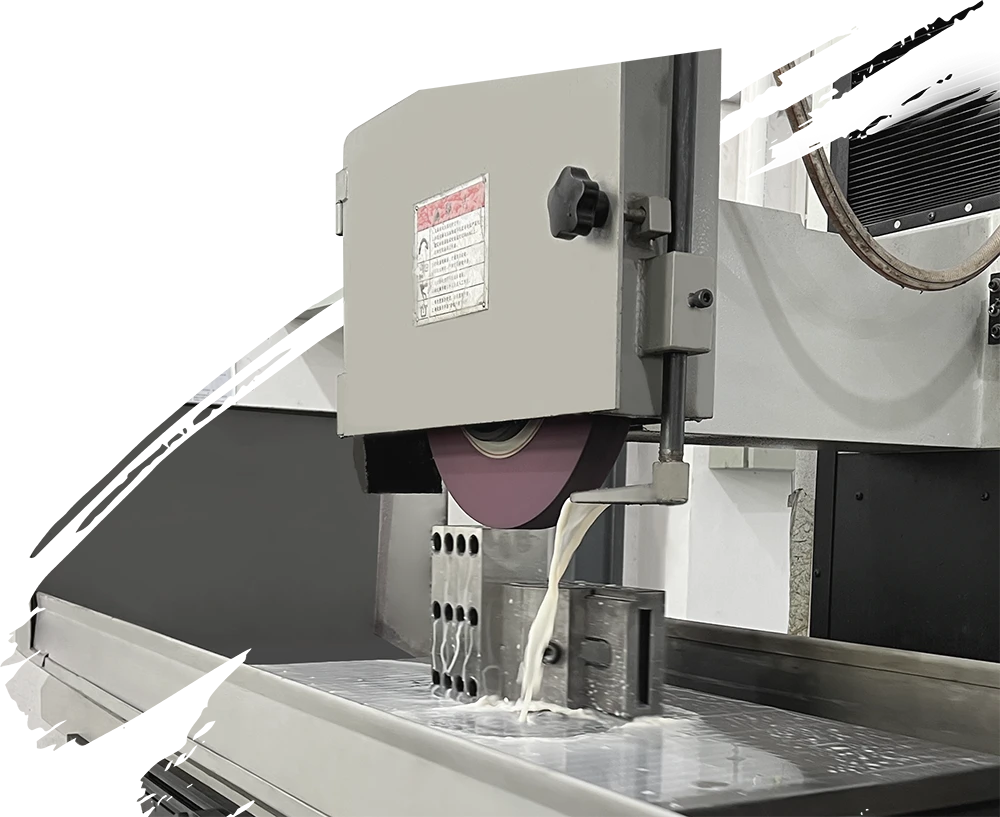
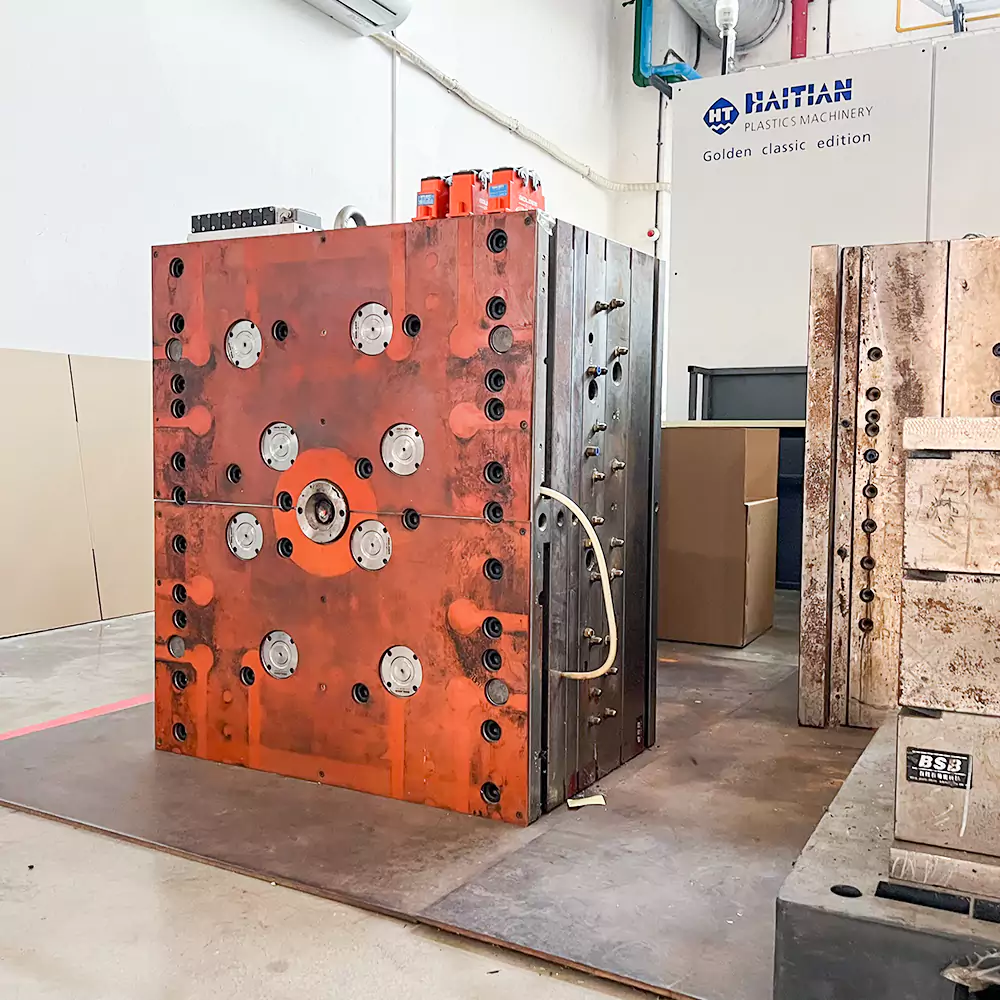
According to the types of subsequent molding processes, mold making services can be divided into the manufacturing of injection molds and the manufacturing of die-casting molds. Injection molds making service is the skill that we are most proud of.
Based production volume (life cycle) of the molds, mold manufacturing services can be divided into rapid tooling manufacturing and production tooling manufacturing. The fastest delivery time for rapid tooling is 7 days.
In addition, we also have precision mold making services prepared for customers with extremely high requirements for parts.
By Molding Process
Efficient for high-volume production of precise plastic parts.
Ideal for high-strength metal parts with intricate designs.
By Production Volume
Short delivery time, suitable for low-volume production
Medium delivery time, suitable for mass production
By Precision
High precision, tight tolerance, complex structure
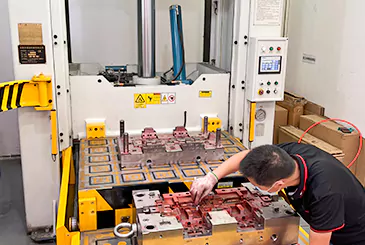
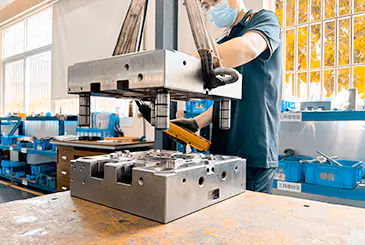
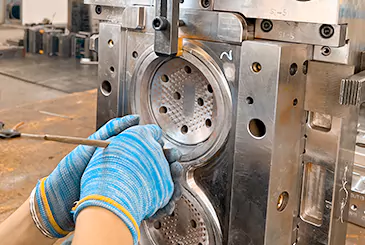
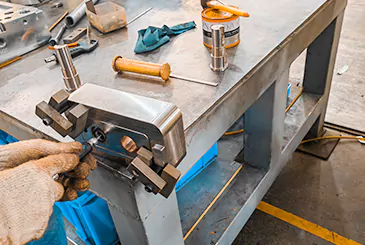
Step-by-Step Breakdown of Precision Mold Manufacturing Process
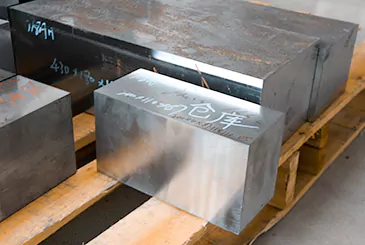
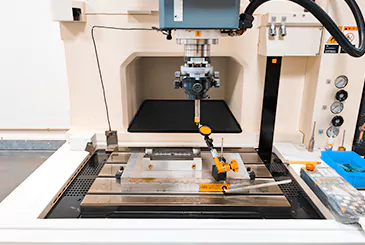
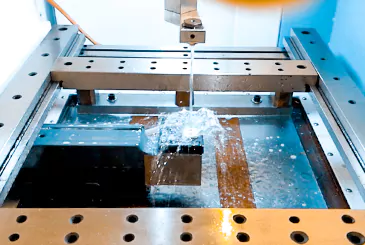
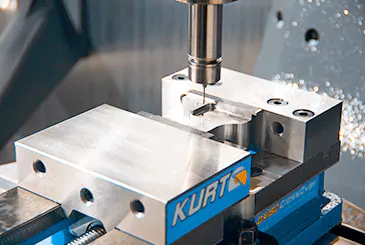
Typically, TDB Tech divides the mold manufacturing process into 12 steps

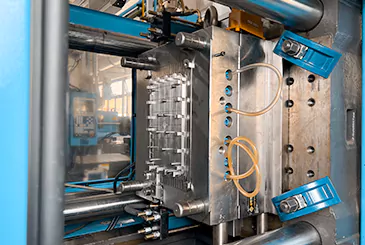
Flawless Design, Precision Defined
Issues You May Be Agonizing Over
In the past, you may have experienced the following troubles from your current suppliers.
Burn makrs, flow lines, air voids, sink marks, short shots, flashes, various defects occur.
Very long injection cycle time and untimely communication, resulting in increased hidden costs.

The mold is often repaired and the project schedule is delayed due to design or process problems.
Suppliers will always have various excuses, causing the delivery date to be pushed back several times.
How TDB Tech Solved The Mold Problem
What stands the strength of a supplier is to coordinate and communicate actively and solve issues correctly.
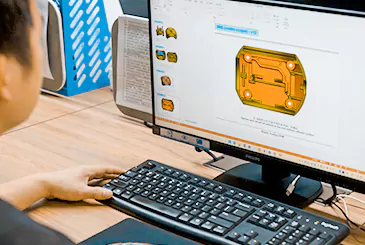
Rigorous mold design, Most of the molds can be used in mass production in one mold trial.
- Pre-judge potential problems in advance by analyzing material properties and product feasibility, such as wall thickness, deformation degree, and gate position
- Maintain close communication with the customer to understand the functional requirements and considerations of the product from the customer's perspective, such as the requirements of the bonding line, surface finishing, etc.
- Design a strict examination system and list check. Before the design, program structure discussion; During the design, the designer self-checks according to the checklist; After the design, review with the manufacturing department.

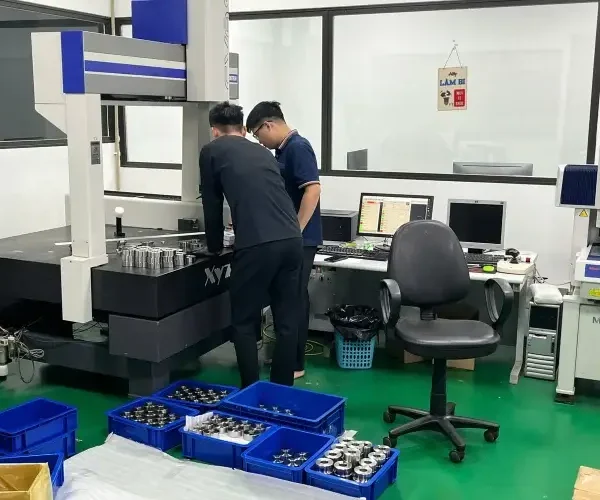
Quality inspection at every step to detect mass production problems in advance
- Quality inspection at every step of the process, from raw materials to processing and final molding, to detect problems in advance
- Each item has a set of quality inspection reports, easy to trace
- Using high-quality raw materials and strict adherence to SPI mold classification standards to provide good value for your products.
Provide weekly progress reports to keep customers informed of the status at all times
- Each project is assigned a project manager and the project cycle is strictly controlled according to the schedule
- Provide weekly progress reports and mold photos for each project to keep customers informed of the status.
- Provide online mold trial video to let customers know how the mold is running

Mold Making FAQ
What kinds of molds can be made in mold manufacturing? What are the differences in their mold making methods?
Mold manufacturing can produce a variety of molds, including injection molds, die-casting molds, stamping molds, forging molds, extrusion molds, blow molding molds, and so on. There are differences in their mold making process.
Injection mold making focuses on numerical control processing, cooling system design, and surface polishing.
Die-casting mold making requires the use of special steel and emphasizes surface treatment and venting design.
Stamping mold making emphasizes clearance control and quenching treatment.
Forging mold manufacturing involves forging blanks followed by multiple processing steps and strict heat treatment.
The key to extrusion mold making lies in runner design and processing, ensuring the uniform flow of materials.
Blow molding molds usually use aluminum alloys and emphasize the quality of the mold cavity surface and the design of the cooling system.
At First Mold, we currently specialize in injection mold making and die-casting mold making, and are not involved in other mold manufacturing services at the moment.
How long does the mold making cycle usually take? Are there significant differences in the cycles of different types of molds?
The mold making cycle is affected by multiple factors. Generally speaking, the cycle for simple and small molds is short, and it may be completed within 1 to 2 weeks. Molds with a medium level of complexity usually require 2 to 4 weeks, while complex and large molds may take more than 3 months to half a year.
There are obvious differences in the mold making cycles of different types of molds. The cycle for injection mold making is generally 2 to 6 weeks, and for those with high precision and complexity, it may reach more than 8 weeks. Due to the high requirements for materials and processes, the cycle for small die-casting mold making is 3 to 6 weeks, and for larger ones, it may exceed 3 months.
What is the approximate proportion of the cost of materials selected for mold making in the total cost? What are the materials with high cost performance recommended?
In mold manufacturing, the cost of materials for injection molds accounts for about 20% to 30% of the total cost. For simple and small molds, it is close to 20%, while for large, precise, and complex mold making projects, it can reach 30% or even higher. Due to the high requirements for material performance, the cost of materials for die-casting molds usually accounts for 30% to 40% of the total cost. For small die-casting mold making, it is about 30%, and for large die-casting molds with high performance, it exceeds 40%.
For injection mold making, materials with high cost performance include P20 steel, which has good pre-hardening, processing, and polishing properties, making it suitable for medium and small molds with general precision. Another commonly used material is 718 steel, which has improved toughness and hardenability after adding nickel elements, and is ideal for large, complex, and precise injection molds.
In terms of die-casting mold making, H13 steel, as a hot work die steel, offers excellent toughness, thermal fatigue, and wear resistance. It is widely used in die-casting molds and has high cost performance. 3Cr2W8V steel stands out for its high-temperature strength, hardness, wear resistance, and thermal stability, making it suitable for die-casting molds for aluminum and magnesium alloys. This material is also moderately priced, offering a certain cost performance advantage in mold fabrication.
After the mold manufacturing is completed, will follow-up maintenance and care guidance be provided? Is the cost of maintenance and care high?
After the mold manufacturing is completed, professional manufacturing enterprises usually provide follow-up maintenance and care guidance, covering contents such as daily cleaning, lubrication, rust prevention, and special precautions for different types of molds. The cost of maintenance and care varies due to multiple factors.
The cost of daily maintenance is usually relatively low. For example, the expenses for cleaning supplies and lubricating oil range from dozens of dollars to hundreds of dollars each time. In terms of regular maintenance, for simple and small molds, it may cost several hundred dollars to about one or two thousand dollars each time, while for large and complex molds, such as injection molds or die-casting molds, it may cost several thousand dollars to tens of thousands of dollars each time.
If the mold needs to be repaired due to malfunctions, the cost is even more difficult to determine. The repair cost for minor malfunctions may range from several hundred dollars to several thousand dollars, and when there is serious damage, the repair cost may be as high as tens of thousands of dollars or even higher. Moreover, it may also affect the production progress and bring about an increase in indirect costs.
If your products are injection molded by First Mold, no fees related to mold maintenance and care will be charged.
What factors should be mainly considered when designing molds for ABS injection molding to ensure the smooth demolding and good formation of products?
Mold manufacturing in special industries like medical and aerospace has numerous additional quality standards and certification requirements. In the medical industry, in terms of quality standards, materials must be non-toxic, environmentally friendly, anti-allergic, and have good biocompatibility. The precision in mold making should be controlled within a very small tolerance range, such as ±0.005 or even stricter, and high requirements are placed on reliability and stability.
Regarding certification requirements, it is necessary to pass the ISO 13485 certification to establish a sound quality management system, conduct biocompatibility tests to ensure there is no adverse impact on the human body, and also obtain specific certifications in different countries and regions, such as the CE certification in the European Union and the FDA certification in the United States.
In the aerospace industry, in terms of quality standards, materials should possess high strength, high hardness, good toughness, fatigue resistance, and stability in extreme environments. The dimensional precision required in mold fabrication is at the micron level, and the surface roughness should be extremely low, with high reliability and durability.
As for the certification requirements, the AS9100 series certifications are needed to regulate the quality management throughout the whole process. Special processes in mold manufacturing require specialized certifications to ensure the stability and reliability of the processes. Meanwhile, suppliers need to undergo strict qualification certifications that cover multiple aspects such as technical capabilities, production equipment, and quality management systems. Only when these requirements are met can the molds be applied in the corresponding special industries.