
CNC Machining Materials
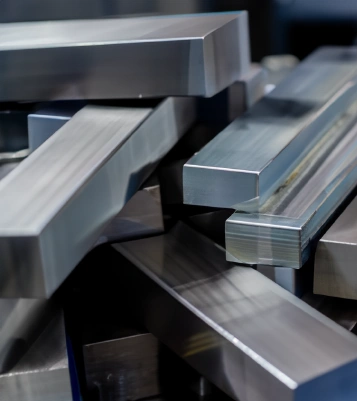
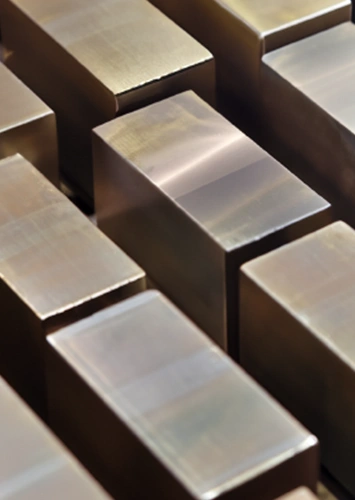
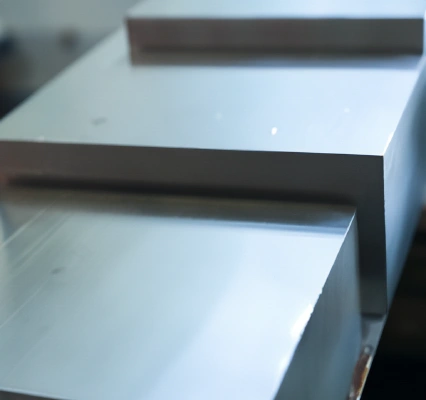
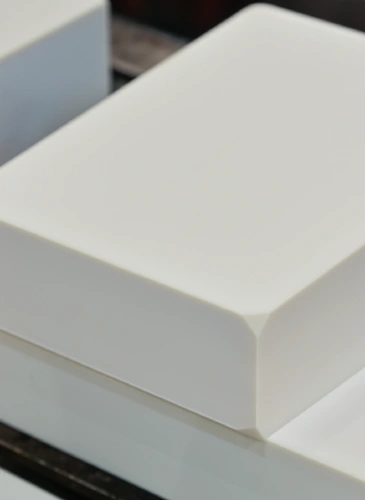
Industrial CNC machining materials are rich and diverse, covering various kinds of materials like metals, plastics and components. Under the high-precision CNC machining process, these materials can be precisely cut and shaped to meet the complex design requirements of parts in different industries.
CNC Machining Materials Classification
By years of supplying CNC machining projects, First Mold has enhanced its skill sets on a large number of materials of CNC under any circumstances. As part of our mission to make things easier for our clients, we have divided our CNC machinable materials into groups that are easy to identify. The deepened knowledge in material properties, which is a result from our rich history of similar projects, distinguishes us as an excellent source for advices ranging from rapid prototypes to mass production orders.
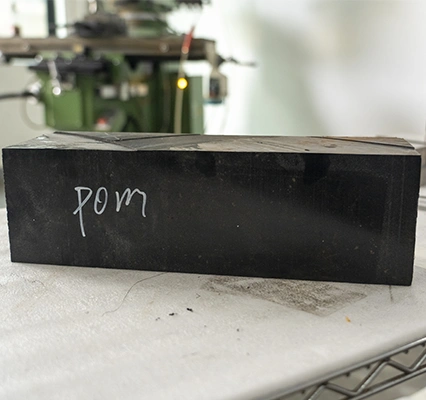
CNC Machining Materials Library
This knowledge base covers the most commonly used CNC-machinable materials (including metals, plastics, and composite materials). You will be able to gain a comprehensive understanding of each CNC-machinable material’s basic properties, application fields, machining challenges, price, and other relevant information. If you are interested in a specific material, you can try clicking the link below that material to access very detailed in-depth material analysis.